
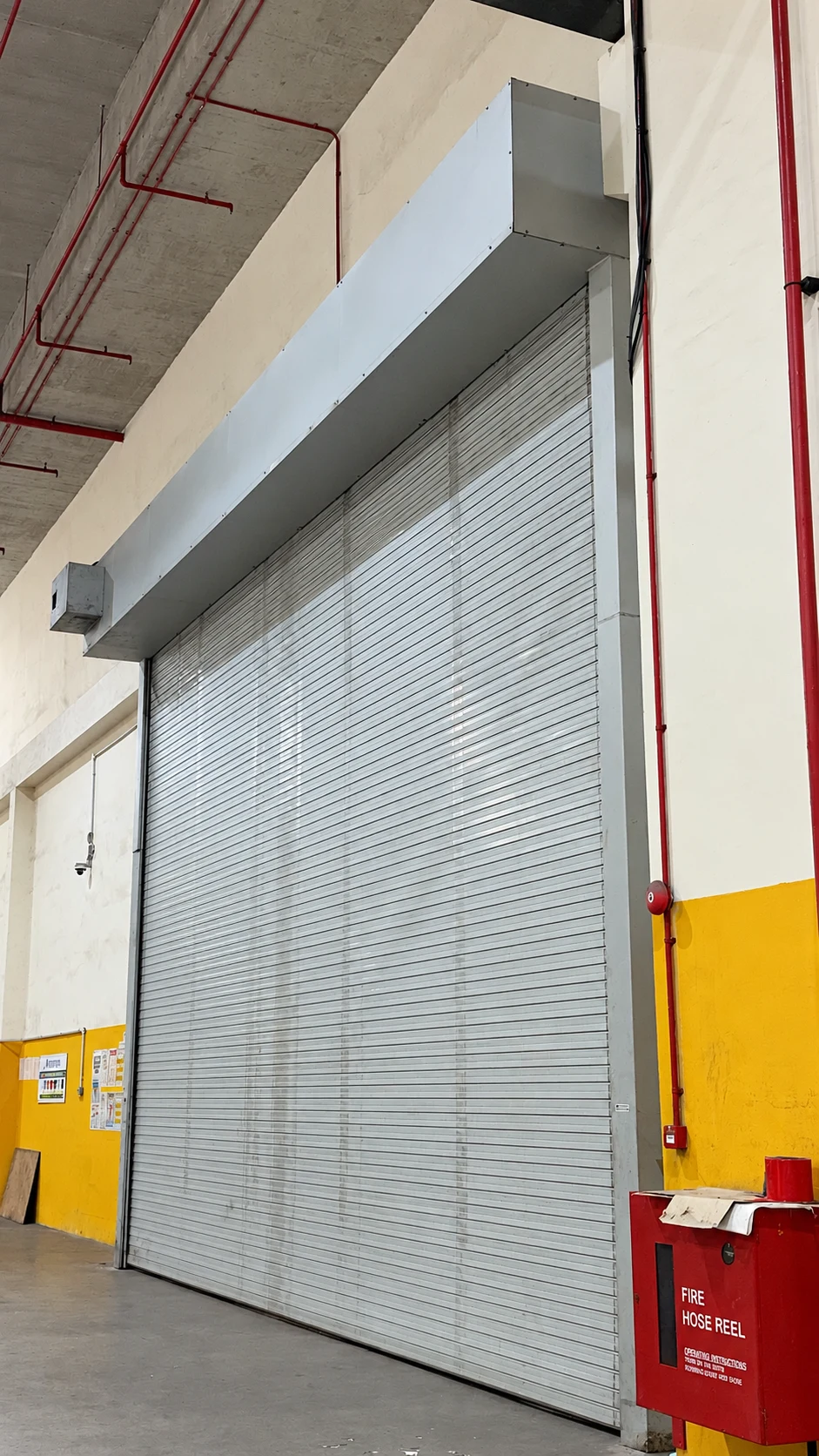
Identify the exact bay and its current restriction
Use the site’s bay number or another unambiguous opening reference. Include the building address, level and the route a visiting contractor normally follows. On a site with several similar doors, a photograph of the affected frontage and a marked site plan can prevent confusion.
Describe the current position and what access is unavailable. For example, say that bay three is closed to vehicles, or that a partly open shutter has been taken out of use. Do not describe a gap under the curtain as an available route. The site’s responsible person should determine arrangements around the affected area and communicate them to the teams involved.
Review movements around the repair area
List the vehicle and pedestrian movements normally passing the opening. This includes reversing vehicles, forklift routes, order-picking paths, visitors and adjacent loading activity. A proposed inspection window should be checked against those movements, rather than booked simply because the warehouse is open.
The WSH Council’s workplace traffic guidance provides a useful reference for managing interactions between vehicles and people. Apply the site’s existing traffic arrangements and discuss changes with the responsible personnel. Do not relocate traffic controls or create a new vehicle route solely to accommodate a shutter visit without that review.
Collect the records that are already available
Find the shutter’s equipment number, operating instructions, previous service reports and any accessible manufacturer information. Share whether it is motorised, which normal controls are used and whether the symptom followed an impact, power interruption or earlier work. An overview of the opening is usually more useful than an unexplained close-up.
- State whether the problem occurs while opening, closing or both.
- Describe sounds or movement already observed without repeating the fault.
- Record visible curtain or guide damage from a safe position.
- Note any relevant restrictions on access above or alongside the opening.
For powered openings, A1’s motor shutter page explains the information that starts a discussion.
Discuss permits, escorts and working space before attendance
Ask the site contact what contractor registration, induction or work approval arrangements apply. Share those requirements when the enquiry is made, along with the person authorised to approve access. If an escort is required, confirm that someone can provide it during the proposed window.
Explain what stock, vehicles or fixed equipment surround the opening. This is information for planning; it is not an instruction to dismantle guarding or move equipment into an unsuitable area. The contractor and site team need to agree the work area and approach before a repair method is assumed. An access restriction may affect what can be assessed or completed during a visit.
Keep the operations brief separate from the diagnosis
A warehouse manager can accurately say that a route is unavailable or a delivery must be reassigned. That does not establish whether the shutter needs a motor, guide or curtain repair. Record the operational impact as a priority for coordination, while leaving the component diagnosis to assessment.
Similarly, an advertised door capacity or operating cycle from another manufacturer does not identify the installed shutter’s specification. Use its own records. Discuss the fault through the repair enquiry page and make clear which facts are confirmed, which are observations and which are still unknown. That distinction makes a follow-up quotation easier to evaluate.
Agree the return-to-use and shift handover
Before the work is signed off, identify the person who will receive the findings and any updated operating instructions. If a further visit or part is required, record which restrictions remain. Pass that information to the next shift and any team coordinating deliveries.
Ask for a written account of the work completed and retain it against the equipment number. A repair history helps later discussions distinguish a new symptom from an unresolved item. For a more general list of information to collect, use the roller shutter quotation checklist. A well-organised handover keeps the warehouse’s access decision connected to the actual condition of its shutter.