
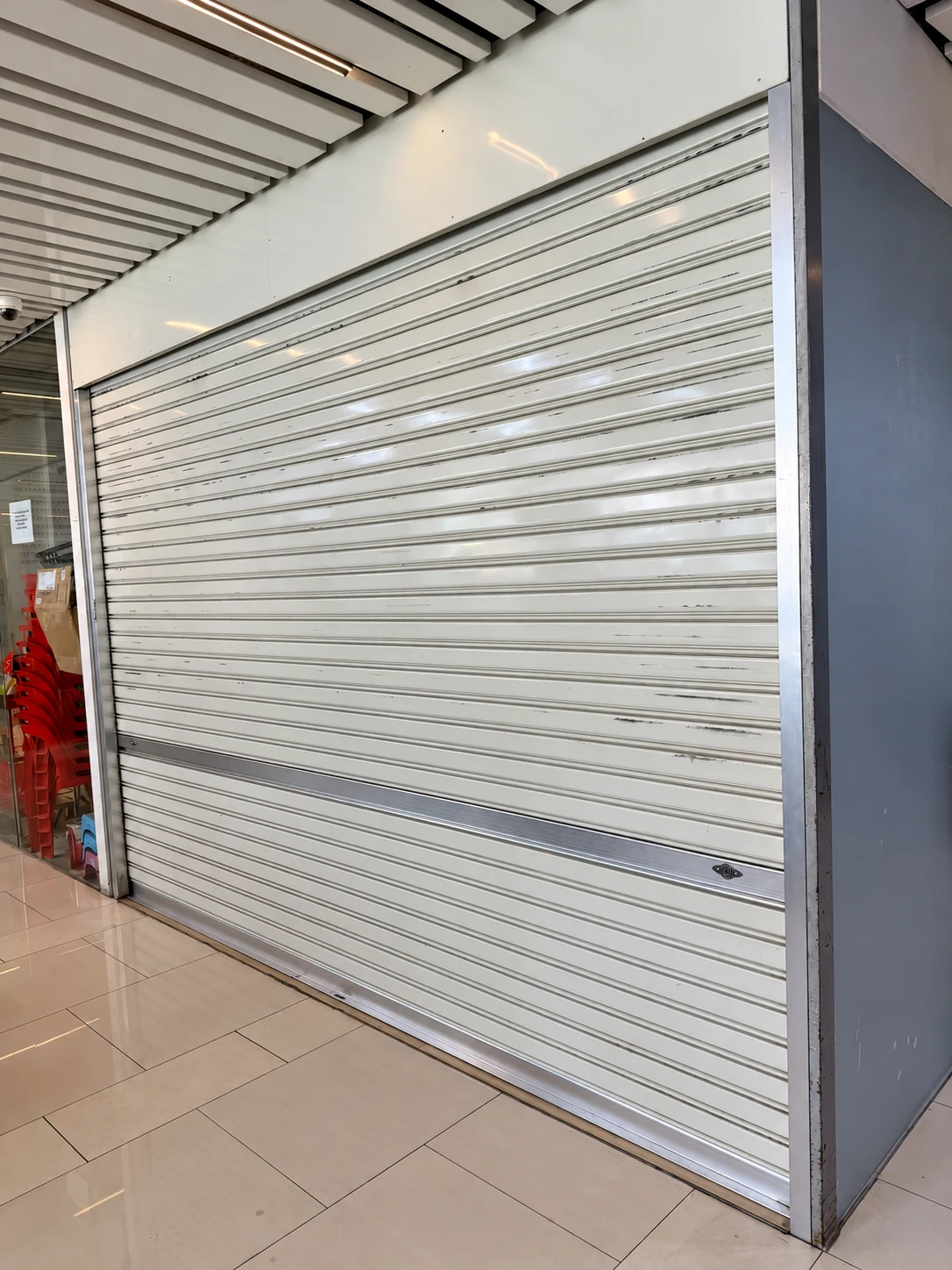
Start with the current position of the opening
Describe whether the shutter is fully closed, partly open or raised. Then explain what the position prevents: staff entry, customer entry, stock deliveries or securing the shop after trading. A message saying “the shop cannot be secured tonight” communicates a different constraint from “the shutter is noisy but the premises are currently closed and secure”. Neither description guarantees an attendance time; it helps establish what needs to be discussed.
Keep people away from an unstable, damaged or partly suspended shutter. Do not invite customers to duck underneath it. Any alternative route needs agreement with whoever manages the premises, rather than an improvised opening through the work area.
Give the repair enquiry one responsible contact
Nominate someone who can answer questions and speak for the tenant. Share the shop address, unit number, access instructions and a contact number. If building security must admit a contractor, establish which person can approve the visit before offering a time.
- Identify whether the shutter is manual or motor operated.
- Describe what happened during its last normal use and when the fault first appeared.
- Send a safe overview photograph and any already available equipment record.
- Explain whether there are restrictions on access, noise or work outside trading hours.
Use A1’s roller shutter repair enquiry page to start that conversation.
Plan people and deliveries around the affected area
List the next few activities that depend on the opening. A delivery arriving before the shop opens, a cleaner collecting keys and a staff shift change can all be affected by the same fault. Tell those people which contact will confirm arrangements; avoid giving a contractor an appointment window that conflicts with a booked delivery.
If another entrance exists, check its suitability with management before directing anyone there. Keep the shutter’s travel area clear and avoid storing delivery cages or promotional displays against the guides. A shared access plan is more useful than repeatedly operating the shutter to see whether it has improved. Record an existing fault video only if it was captured safely; do not recreate a dangerous movement for the enquiry.
Agree who can approve the proposed work
A tenant may be able to authorise an inspection but need landlord or management approval for changes to the frontage. Clarify those responsibilities early. Ask whether the next visit is an assessment, an agreed repair or further investigation, and what information is still needed before a quotation can be confirmed.
Keep instructions in one written brief so the shop team and contractor are discussing the same opening. Note any lease or fit-out documents that management wants reviewed. A photograph can show the curtain’s condition, but it does not establish which components need replacement. The quotation checklist explains how to separate the observed problem from the proposed scope.
Give staff a clear message while arrangements are pending
Tell staff who may operate the shutter and what to do if someone arrives while the opening is unavailable. Customer notices should describe the actual access arrangement rather than promise a repair completion time that has not been agreed. Update delivery instructions if the affected entrance normally receives stock.
A manufacturer example illustrates why improvised operation is a poor substitute for a plan: Cookson’s rolling-door safety information warns against operating a jammed or broken door. The instructions for the installed shutter remain the relevant equipment reference.
Close the job with an operating handover
After the agreed work, ask what was found, what was completed and whether any further action remains. Confirm who may return the shutter to normal use and request the relevant operating instructions. Keep the repair record with the shop’s access information so the next manager does not have to reconstruct the history from old messages.
If the business is also changing its opening arrangement, discuss that separately from fault repair. A change between manual shutter operation and another system needs its own review of the opening and daily use.