
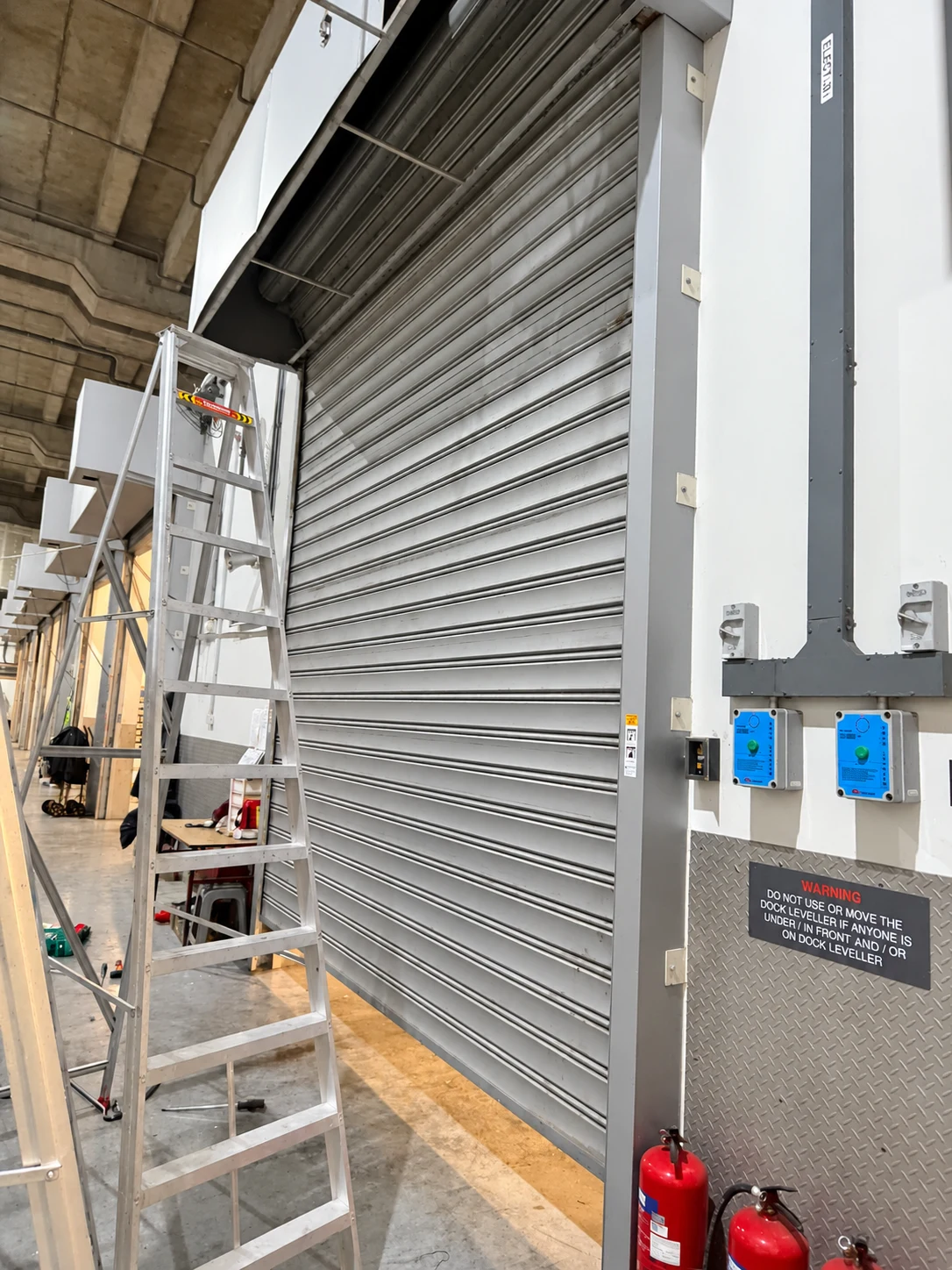
Start with the fault, not a guessed replacement part
“The shutter will not open” describes an outcome. It does not identify which component needs replacing. A useful enquiry describes the last normal operation, what changed and the shutter’s present position. Record whether the system is manual or motorised and whether any damage is visible from a safe distance.
Ask whether the initial proposal covers an assessment only, a defined repair, or an assessment followed by a separate quotation. This prevents a provisional allowance being mistaken for a final repair price. Your roller shutter repair enquiry should leave room for the contractor to explain the cause before you approve replacement parts.
The opening and affected components shape the work
Approximate opening dimensions help explain the scale of the installation, but they should not replace the contractor’s measurements. Note whether the visible problem affects a small area of curtain, the bottom bar, one side of the opening or a wider section. Include an overview photograph rather than only a close-up of the damaged spot.
Ask the quotation to identify the affected components in plain language. “Repair shutter” leaves more uncertainty than a description of the proposed work, compatible replacement items and retained parts. The itemisation need not list every fixing; it should explain what result the proposed scope is intended to achieve and which existing components remain in service.
Part identification and compatibility matter
An available component is not automatically suitable for the existing assembly. The contractor may need the shutter’s records, visible equipment label or inspection findings before confirming what can be supplied. Provide any manuals or previous invoices you already have, without climbing or removing a cover to obtain them.
For a motor shutter enquiry, ask whether the proposal includes the motor alone or also changes to controls, mounting arrangements and related components. If an exact replacement is unavailable, request a clear explanation of the alternative and any consequences for operation. Do not treat a larger motor or a different part number as an improvement without that explanation.
Access and coordination belong in the quotation
A straightforward-looking opening can sit in a difficult working location. Tell the contractor about loading-bay traffic, occupied shop areas, restricted working periods and building-management arrangements. Explain which side of the shutter can be accessed and whether there are fixed displays or other obstacles nearby.
Ask which access equipment, protection of surrounding finishes and removal of replaced material are included. Where approvals or special access arrangements are needed, clarify who will organise them. These details help you compare the same scope across quotations instead of discovering that one price assumed an empty, unrestricted site and another allowed for an operating business.
Allow for completion checks and handover
A repair proposal should say how completion will be assessed and what operating information you will receive. Ask the contractor to explain what will be checked after the work and whether anything remains outside the agreed scope. This is particularly useful when the initial fault affected both movement and the way the shutter is controlled.
As general engineering background, HSE’s powered-door guidance considers the assembled system rather than isolated components. That principle supports asking about the finished installation, while the requirements for your particular shutter must be confirmed for the actual site.
Compare inclusions before comparing totals
Put the proposals side by side and check these practical points:
- Assessment, labour and proposed parts are described.
- Compatible parts and any alternatives are identified.
- Site access, removal and making good are addressed where relevant.
- Completion checks and handover are explained.
- Taxes, exclusions, payment terms and any stated warranty conditions are clear.
If a quotation is provisional, ask what could change it and how additional work will be authorised. An unapproved assumption is a poor basis for a budget. Keep the agreed version with your job records so a later discussion refers to the same scope.
Send enough information for a useful first reply
Send the site location, an overall photograph, the operating type and a short symptom history. Add approximate dimensions only if you have them safely available. State whether the opening can currently be secured, how the fault affects the business and which access arrangements require discussion.
The roller shutter quotation checklist helps organise this information. A1 can then discuss the next step for your enquiry. The assessment, actual repair scope and quotation still need to be agreed for your installation; a photo or online article cannot establish a final repair cost.