
Give every opening a permanent identity
Start an equipment register using a reference that will remain clear when staff change. A shop with one shutter can use its unit and opening name. A larger premises can assign bay or door numbers and mark them on a site plan. Keep the naming consistent in quotations, service reports and photographs.
Record the site address, location within the building, operation type, manufacturer and model if documented, installation information if known, and the location of the operating manual. Mark missing information as unknown. Guessing the model from appearance can send a later parts enquiry in the wrong direction.
Keep a baseline that describes normal use
Note what the opening serves and how it is normally operated. Describe the users, approximate pattern of use, usual control and any management restrictions. The purpose is to explain the context to someone reviewing the equipment later, not to assign a performance rating.
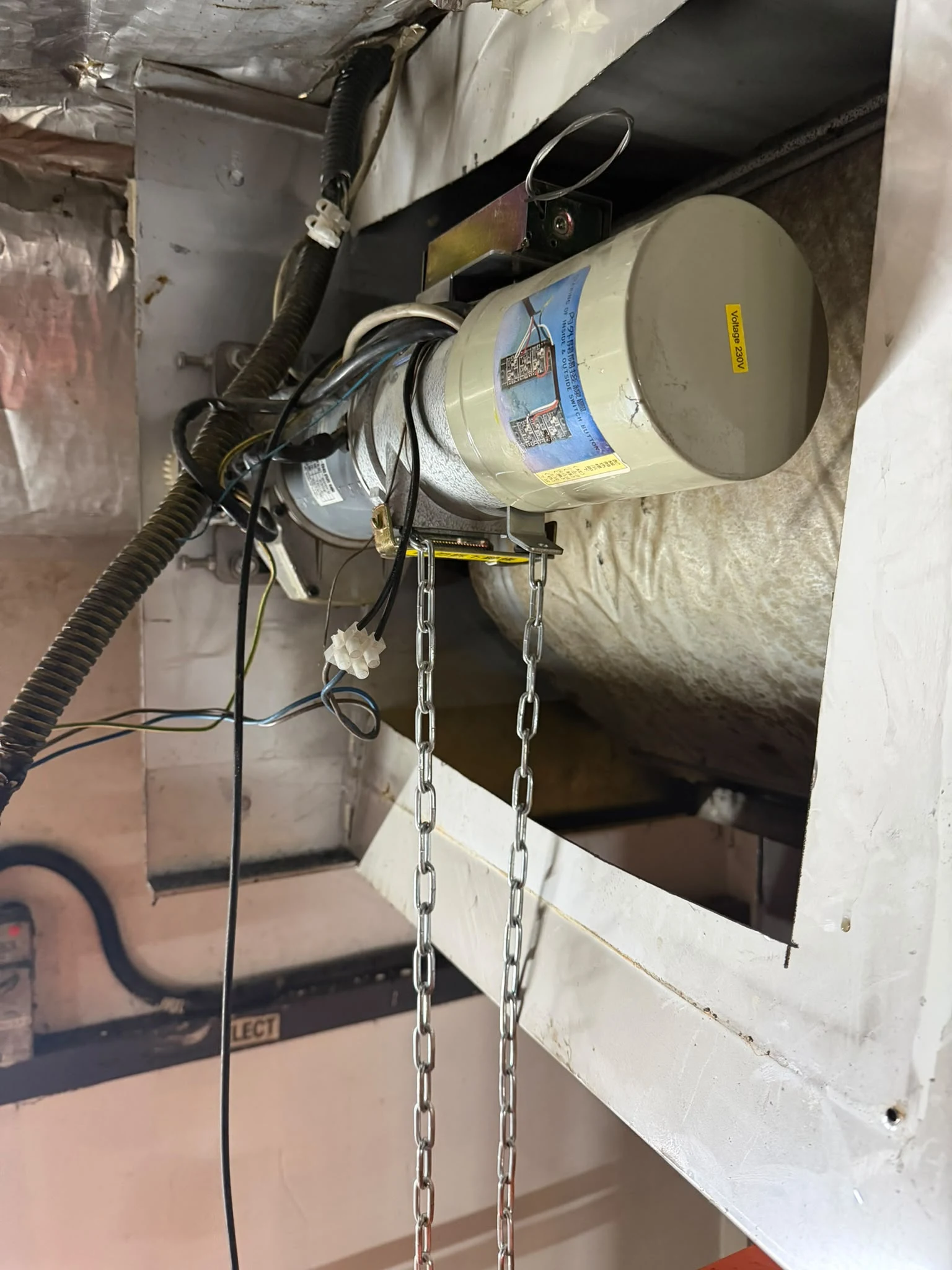
Store clear overview photographs taken when the opening is in a known condition. Include the curtain, guides and surrounding area where visible from a safe position. A baseline image makes a later report of a new dent or changed gap more specific. For examples of supplied job photographs rather than product illustrations, view A1’s work gallery.
Separate operator observations from service tasks
An observation log can record an unusual sound, a changed stopping position, visible damage or a report that an authorised control did not respond. Include the date, observer, current position and whether the opening has been taken out of use. Use plain descriptions such as “right side appeared lower” rather than an unsupported diagnosis.
Do not turn the log into a list of mechanical adjustments for staff. Covers, springs, drive components and electrical controls are outside the scope of this owner checklist. A manufacturer’s example, Cornell’s service-door manual, distinguishes observations from actions requiring service. The relevant tasks for your opening must come from its own documentation.
Ask each service report to answer useful questions
Link every visit to the equipment reference and record the agreed scope. Retain the contractor’s findings, work completed, parts identified, any test or handover documentation supplied, and any outstanding recommendations. Keep the date and contact details together so the report can be retrieved when another issue is discussed.
- What prompted the visit?
- Which opening and components were assessed?
- What work was completed and what was excluded?
- Were operating instructions or restrictions changed?
- Who received the handover and approved any next step?
For a new fault, use the repair enquiry information to prepare a clear starting brief.
Track recommendations until someone closes them
An open recommendation needs an owner, an agreed next action and a review date appropriate to the issue. “Monitor shutter” is too vague if it does not say who is responsible and what should trigger another enquiry. Ask for clarification when a service report leaves those points uncertain.
Keep inspection and maintenance scheduling tied to the manufacturer’s instructions, the actual equipment and its use. There is no single interval in this article that can be applied to every shutter. If usage, surroundings or the opening itself changes, discuss whether the documented arrangements need review rather than carrying forward a calendar date without considering the change.
Make the record accessible to the people who need it
Keep a controlled copy where the premises manager, authorised operator and person arranging repairs can find it. When a tenant or facilities provider changes, include shutter records in the handover. Store detailed settings and access credentials securely; a general staff notice does not need sensitive technical information.
A practical record entry can be one paragraph: “Opening S2, observation date, symptom, current operating restriction, report reference, person responsible, next agreed action.” That format makes missing information visible. If a quotation is needed, attach the relevant record rather than sending an entire unorganised message history. The quotation checklist provides a companion brief for that step.